Rhinoplasty Results
by Admin
Posted on 09-12-2024 10:26 PM

Understanding Rhinoplasty
Rhinoplasty is a complex surgical procedure that requires precision, skill, and attention to detail. The procedure involves making incisions in the nose to access the underlying bone and cartilage, which are then reshaped and rearranged to achieve the desired outcome. The surgery can be performed under local or general anesthesia, depending on the complexity of the procedure and the patient's preferences. There are two main types of rhinoplasty: open and closed. Open rhinoplasty involves making an incision on the columella, the thin strip of skin that separates the nostrils, while closed rhinoplasty involves making incisions inside the nostrils.
Types of Rhinoplasty
There are several types of rhinoplasty, each designed to address specific concerns and issues. Reduction rhinoplasty, for example, is used to reduce the size of the nose, while augmentation rhinoplasty is used to increase the size of the nose. Revision rhinoplasty, on the other hand, is used to correct previous rhinoplasty surgeries that have not produced the desired results. Each type of rhinoplasty requires a unique approach and technique, and the surgeon must carefully evaluate the patient's needs and goals to determine the best course of action.
Subtypes of Rhinoplasty
In addition to the main types of rhinoplasty, there are also several subtypes that cater to specific needs and concerns. Tip rhinoplasty, for example, focuses on reshaping the tip of the nose, while bridge rhinoplasty focuses on reshaping the bridge of the nose. Alar rhinoplasty, on the other hand, involves reshaping the nostrils to improve their shape and size. These subtypes of rhinoplasty require a high level of precision and skill, as even small changes can have a significant impact on the overall appearance of the nose.
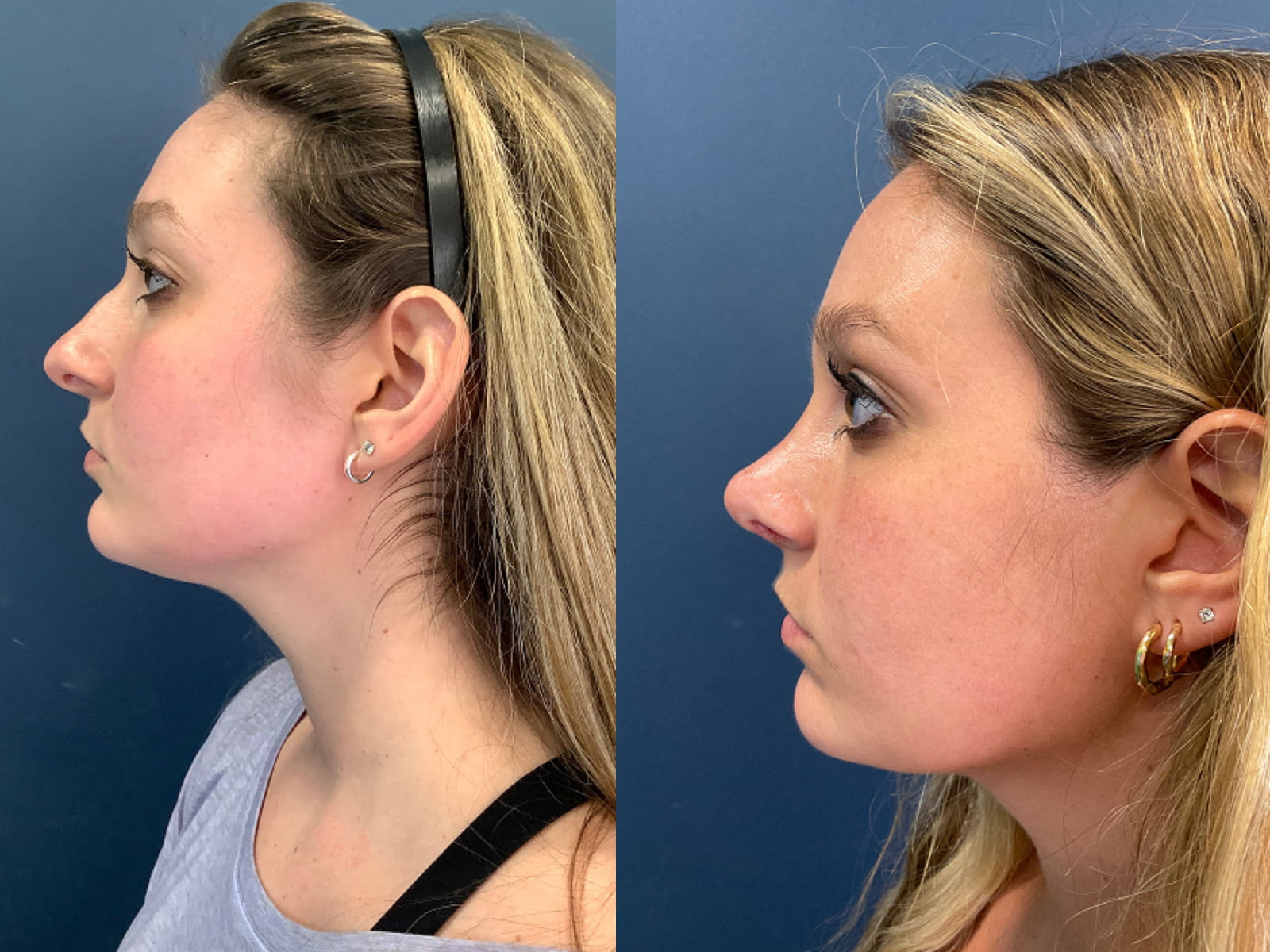
Understanding the Basics of Rhinoplasty
Rhinoplasty, also known as a nose job, is a surgical procedure that aims to improve the shape and appearance of the nose. For those considering this procedure, it is essential to research and understand the process, benefits, and potential risks involved in rhinoplasty to make an informed decision. This procedure can be life-changing for individuals who are self-conscious about their nose, and with the right surgeon, it can lead to a more confident and happier life.
Recovery and Aftercare
The recovery process after rhinoplasty is crucial to achieving optimal results. Patients typically experience swelling, bruising, and discomfort in the first few days after surgery, which can be managed with pain medication and cold compresses. It is essential to follow the surgeon's instructions carefully, as this will help minimize the risk of complications and ensure a smooth recovery. Patients are usually advised to avoid strenuous activities, bending, and heavy lifting for several weeks after surgery, as these can dislodge the grafts and compromise the results.
Managing Expectations
Managing expectations is critical when it comes to rhinoplasty results. Patients must understand that the final results may take several months to a year to become apparent, as the nose will continue to heal and settle over time. It is also essential to have realistic expectations about what rhinoplasty can achieve, as the procedure is not a magic solution that can fix all aesthetic concerns. Patients must discuss their goals and expectations with their surgeon, who can provide guidance and advice on what is achievable and what is not.
Risks and Complications
As with any surgical procedure, rhinoplasty carries risks and complications. Bleeding, infection, and scarring are common risks associated with rhinoplasty, while more serious complications can include nasal septal perforation, saddle nose deformity, and respiratory problems. Patients must carefully weigh the potential benefits of rhinoplasty against the potential risks and complications, and discuss their concerns with their surgeon.
Choosing the Right Surgeon
Choosing the right surgeon is critical to achieving optimal rhinoplasty results. Patients must research and evaluate potential surgeons carefully, looking for qualifications, experience, and a proven track record of success. The surgeon must be board-certified, have extensive experience in rhinoplasty, and be able to demonstrate a deep understanding of the procedure and its complexities. Patients must also feel comfortable with their surgeon, as this will help build trust and ensure a positive experience.
Conclusion
Rhinoplasty results can be life-changing, improving not only the aesthetic appeal of the face but also the functional aspects of breathing. While the procedure carries risks and complications, these can be minimized by choosing the right surgeon and following their instructions carefully. Patients must have realistic expectations about what rhinoplasty can achieve and be prepared for the recovery process, which can take several months to a year. By understanding the different aspects of rhinoplasty and what to expect from the procedure, patients can make informed decisions and achieve the results they desire.
FAQs
What is the average cost of rhinoplasty?
The average cost of rhinoplasty varies depending on the location, surgeon, and complexity of the procedure. On average, the cost of rhinoplasty can range from $3,000 to $15,000.
How long does it take to recover from rhinoplasty?
The recovery process after rhinoplasty typically takes several weeks to several months. Patients can usually return to work and resume normal activities within 1-2 weeks after surgery, but it may take several months for the nose to fully heal and settle.
Can rhinoplasty improve breathing?
Yes, rhinoplasty can improve breathing by correcting nasal obstructions, such as a deviated septum or nasal polyps. However, the primary goal of rhinoplasty is to improve the aesthetic appeal of the nose, and breathing improvements are usually a secondary benefit.
Are rhinoplasty results permanent?
Rhinoplasty results are usually long-lasting, but they may not be permanent. The nose will continue to age and change over time, which can affect the results of the procedure. Additionally, some patients may require revision rhinoplasty to maintain or refine their results.
Can I get rhinoplasty if I have a history of breathing problems?
Yes, patients with a history of breathing problems can still get rhinoplasty. However, they must discuss their medical history with their surgeon, who can evaluate their suitability for the procedure and recommend any necessary precautions or additional procedures to ensure a safe and successful outcome.
How old do I have to be to get rhinoplasty?
The minimum age for rhinoplasty varies depending on the individual and the surgeon. Typically, patients must be at least 16-18 years old to undergo rhinoplasty, as the nose must be fully developed before the procedure can be performed. However, some surgeons may perform rhinoplasty on younger patients in exceptional cases, such as to correct a birth defect or nasal injury.
Lakeshore Facial Plastic Surgery
17900 23 Mile Rd #205, Macomb, MI 48044
586-286-6565